How To Find Out If You Have Wavy or Curly Hair
/ 1 SEPT. 2024
Reading Time: 7 Minutes
Index
Understanding Hair Types
Our hair is as unique as our fingerprints, and understanding its type is crucial for selecting the best care routines and styling techniques. Among the many hair types, wavy and curly hair stand out due to their distinct patterns and textures. We’ll be filling you in on how to know if you have curly or wavy hair and how this affects your hair care choices. So, let’s explore the characteristics of these hair types, discover how to care for them effectively and find out if our curly hair extensions are suited to your curl pattern!
The Basics of Hair Texture
Hair texture refers to the natural shape and pattern of your hair strands. The spectrum of hair texture ranges from straight to curly, with wavy hair serving as a unique middle ground. Straight hair is typically smooth and lacks any bends or curves, while curly hair is characterised by well-defined ringlets and significant volume. Wavy hair falls between these two extremes, showcasing loose S-shaped patterns that can vary in intensity. This spectrum highlights the diversity of hair textures, each with its own set of characteristics and care needs.
Characteristics of Wavy Hair
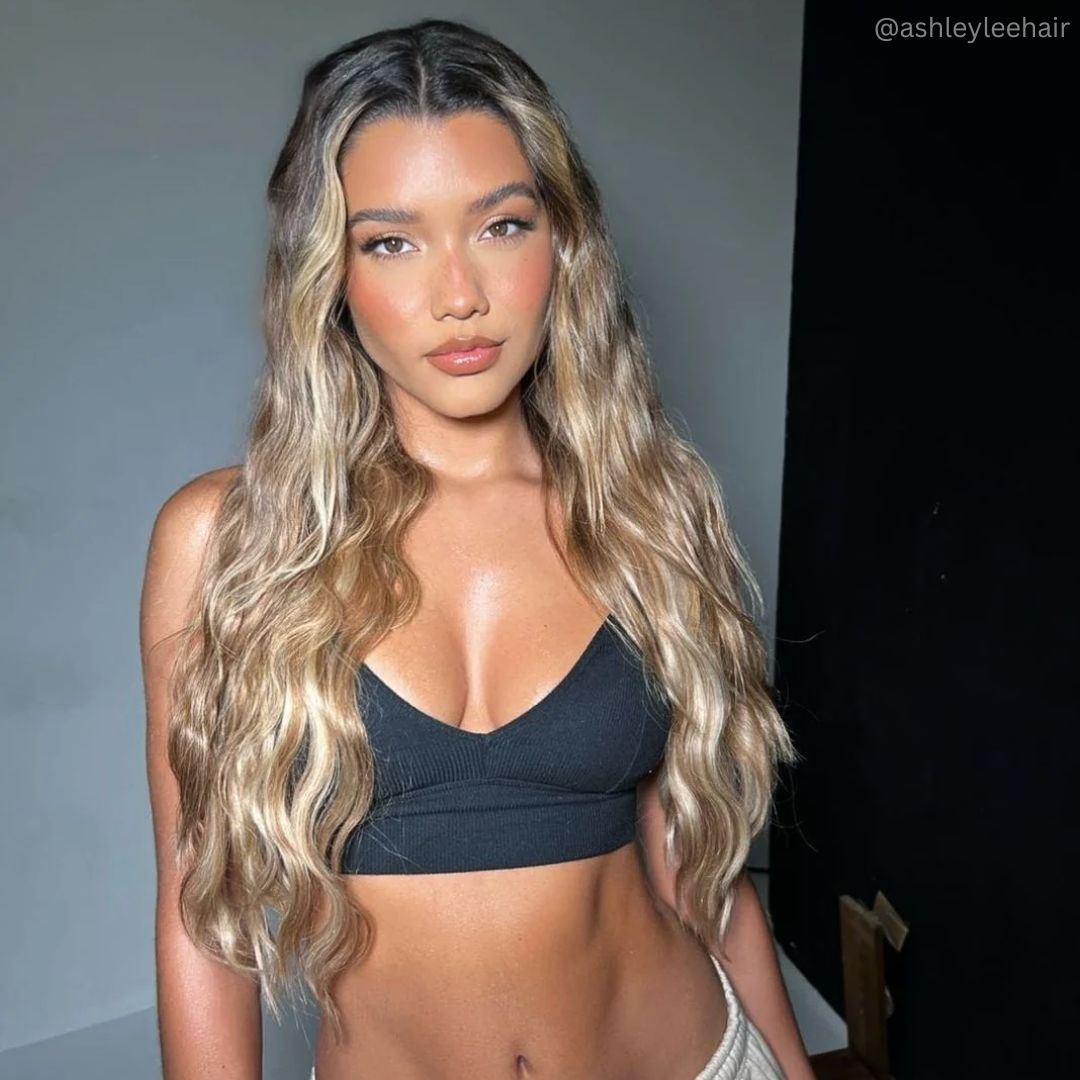
Wavy hair is often described as a perfect blend of straight and curly textures. It forms loose, S-shaped patterns that give the hair a gentle wave. The intensity of these waves can vary, with some individuals experiencing soft, barely-there waves, while others have more pronounced, beachy waves. Wavy hair tends to be more prone to frizz than straight hair but is generally easier to style than curly hair. This hair type can adapt well to different styles, making it a versatile choice for those who enjoy experimenting with their look. Visual examples of wavy hair typically showcase a smooth wave that adds volume and movement to the hair without the tightness of curls. If your hair is on the straighter side and you want more movement, you can use a hair waver like the model in the video to recreate mermaid-like wavy hair. If it’s your first time using a hair waver, you can read our blog How To Use A Hair Waver With Hair Extensions for all the tips and tricks you need.
Characteristics of Curly Hair
Curly hair, on the other hand, is known for its tighter curls and more defined ringlets. This hair type often appears voluminous and can range from loose, spiral curls to tight, corkscrew ringlets. Curly hair tends to have more texture and thickness, which contributes to its bouncy, lively appearance. However, it can also be more prone to dryness and frizz due to the natural structure of the curls, which makes it difficult for the scalp's natural oils to travel down the hair shaft. Visual examples of curly hair show a range of curl patterns, each with its own unique style and character, from large, soft curls to tight, springy coils. @phoew adds length and volume to her natural curls with our curly clip in extensions in the shade Darkest Brown.
How to Know If You Have Curly or Wavy Hair
Determining whether your hair is wavy or curly can be a bit of a challenge, especially since hair texture can vary with factors like weather, humidity, and hair care routines. However, understanding your natural hair pattern is essential for choosing the right products and styling methods.
The Wet Hair Test
If you’re starting to wonder ‘is my hair curly or wavy?’, one of the simplest ways to understand your hair type is the wet hair test. When your hair is wet, it reveals its true texture because the weight of the water temporarily neutralises any outside factors that might alter its natural shape. After washing your hair, observe the pattern it forms. If your hair forms loose S-shaped waves, it’s likely wavy. If it develops tighter, more defined curls, your hair is curly. This test provides a clear indication of whether you have wavy or curly hair without the influence of heavy products or styling techniques.
The Product-Free Test
Another effective method is to let your hair dry naturally without using any styling products. After washing your hair, allow it to air dry without the aid of gels, mousses, or creams. This allows you to see the natural wave or curl pattern as it forms. If your hair dries into gentle waves, it’s wavy. If it forms tighter curls, then you have curly hair. This method is particularly useful because it shows how your hair behaves in its most natural state, helping you determine whether your hair is wavy or curly.
Identifying Curl Patterns
Hair types are often categorised by specific curl patterns. Wavy hair typically falls into the 2A, 2B, or 2C categories, where 2A is the loosest wave and 2C has the most defined wave with some curl at the ends. Curly hair, on the other hand, falls into the 3A, 3B, or 3C categories, with 3A having looser, more defined curls, and 3C showcasing tight, dense curls. Understanding your curl pattern can help you select the right hair care products and styling techniques, ensuring that your hair remains healthy and vibrant.
Caring for Wavy and Curly Hair
Once you've identified whether your hair is wavy or curly, it's time to focus on how to care for it. Both hair types require tailored care routines that enhance their natural beauty while keeping them healthy and manageable.
Tailored Hair Care Routines
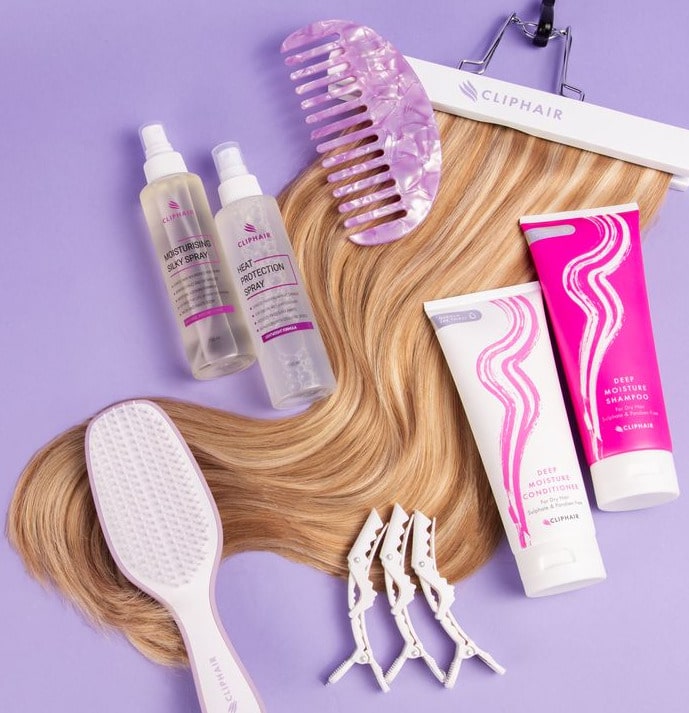
For wavy and curly hair, using the right products is essential. Our Quench The Thirst haircare collection is designed for wavy or curly hair in the sense that it can help manage frizz and maintain moisture. Offering a more permanent long-term solution than clip-in hair extensions, professional hair extensions like tapes, nano rings and weaves can also be a great addition for those looking to add length or volume without compromising their natural hair texture. Opt for products that are lightweight for wavy hair to avoid weighing down the waves, while curly hair may benefit from richer, more hydrating formulas that provide extra moisture and definition.
Styling Tips for Wavy Hair
When styling wavy hair, the goal is to enhance the natural wave pattern without making the hair appear heavy or flat. Scrunching light styling products such as mousses or sea salt sprays into your hair as it dries can add texture and volume without weighing down the waves. Avoid heavy styling creams, as they can make the waves appear limp. Clip in extensions can be a great option for adding length or volume while maintaining the natural wave pattern of your hair.
Styling Tips for Curly Hair
Curly hair requires a bit more moisture to keep the curls defined and frizz-free. Using curl creams or gels can help maintain the curl pattern while adding shine and definition. A diffuser attachment on your blow dryer can also enhance the natural curl by evenly distributing heat without disturbing the curl pattern. For those with curly hair who are considering extensions, human hair extensions that match your curl pattern are ideal. Permanent hair extensions can provide long-term length and volume but be sure to consult a professional to ensure they blend seamlessly with your natural curls.
Conclusion
Now that you know how to tell if you have curly or wavy hair, understanding your hair texture is the first step towards embracing and enhancing your natural beauty. Whether you have soft waves or bouncy curls, knowing how to care for and style your hair type is crucial for achieving the best results. By following the right care routines and choosing appropriate styling products, you can keep your wavy or curly hair looking its best. And for those looking to add a little extra length or volume, options like our curly clip in hair extensions or permanent extensions offer a versatile way to enhance your look while staying true to your natural hair type. All of our hair extension products are Remy hair extensions, meaning they are made from 100% Remy human hair and are of the highest quality on the market.